
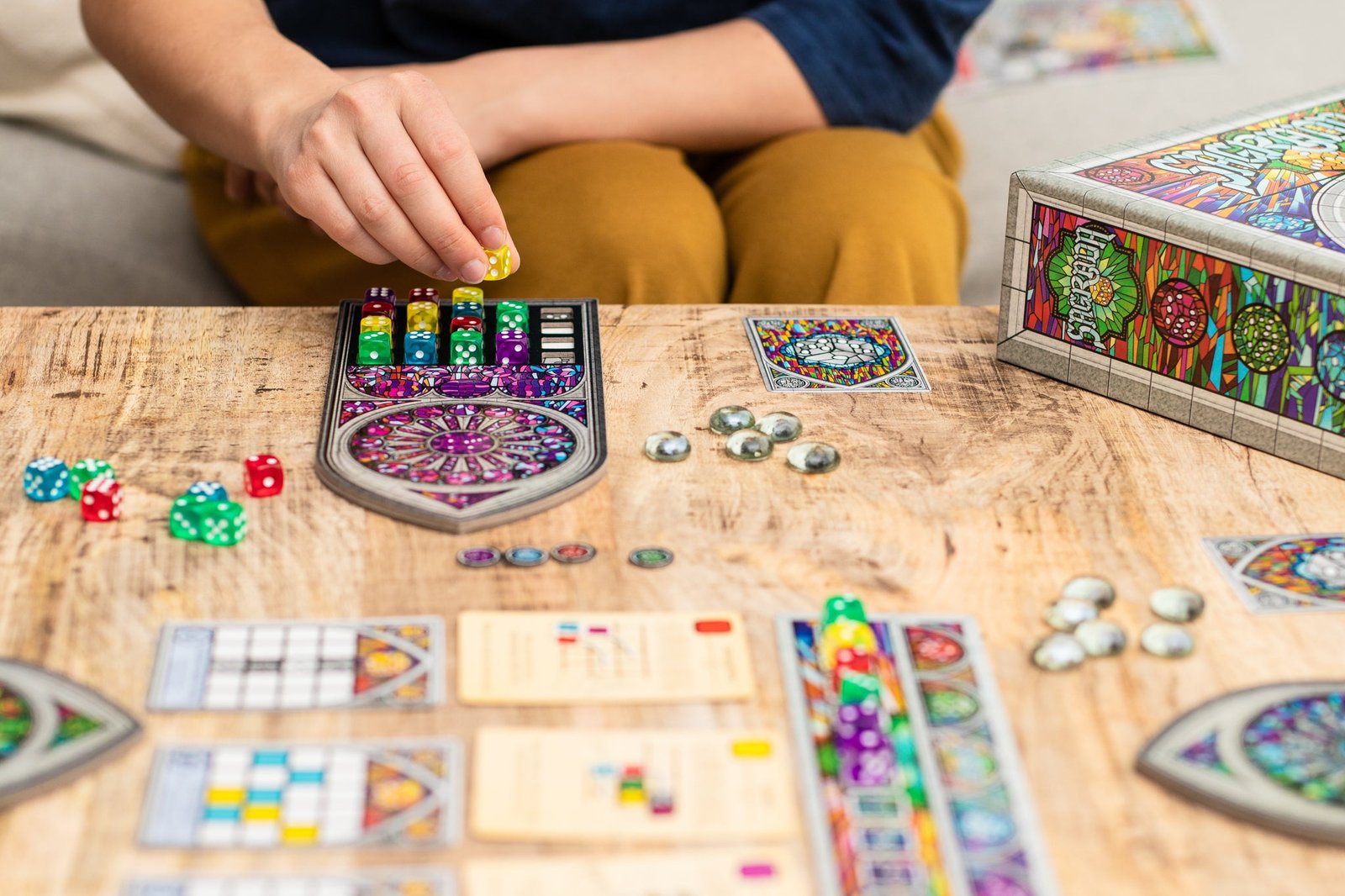
Games/Board Games are one of the most exciting and meaningful ways people connect, learn, and have fun together. From simple childhood classics to deep strategy adventures, Games/Board Games offer something for everyone. Whether you play with family on weekends or compete with friends during game nights, these games build laughter, skills, and memories. In fact, Games/Board Games continue to grow in popularity because they help people unplug from screens and enjoy real conversations. So, in this complete guide, you will learn everything about Games/Board Games, including their history, types, benefits, and tips for choosing the right one.
What Are Games/Board Games and Why Do People Love Them?
Games/Board Games are tabletop games that players enjoy on a flat surface, usually with a board, cards, pieces, or dice. Unlike video games, they do not need electricity or internet, so people can play them anywhere. Because of their simple setup, Games/Board Games create face-to-face interaction, which helps players talk, laugh, and think together. Moreover, people love Games/Board Games because they mix competition and teamwork in a fun way. As a result, players of all ages can join and feel included.
The History of Games/Board Games
Games/Board Games have existed for thousands of years, and therefore they show how humans have always loved play and strategy. One of the oldest known board games is Senet, which people played in ancient Egypt over 5,000 years ago. Later, games like Chess and Go became popular because they tested deep thinking skills. In modern times, companies created family favorites like Monopoly and Scrabble, and these Games/Board Games spread across the world. Because history shaped these games, they now reflect culture, strategy, and creativity.
Different Types of Games/Board Games
Games/Board Games come in many styles, so players can choose what they enjoy most. First, strategy games focus on careful planning and thinking ahead. Second, party games focus on laughter and quick rounds. Third, cooperative games allow players to work together toward one goal. Finally, educational Games/Board Games help children learn math, reading, or problem-solving. Therefore, whether someone likes serious thinking or silly fun, there is always a perfect match.
Strategy Games in Games/Board Games
Strategy Games/Board Games challenge players to plan carefully and think several steps ahead. For example, Catan teaches trading and resource management. Similarly, Risk focuses on world domination and long-term planning. Because strategy games reward smart decisions, players often feel proud when they win. At the same time, even losing teaches valuable lessons about patience and improvement.
Family-Friendly Games/Board Games
Family Games/Board Games are simple to learn, and therefore children and adults can play together easily. For instance, Candy Land offers bright colors and easy rules for young players. In contrast, Ticket to Ride mixes simple rules with deeper thinking, so families enjoy it together. Because these Games/Board Games encourage teamwork and kindness, they often become weekend traditions.
Party Games in Games/Board Games
Party Games/Board Games focus on fast fun and big laughter, so they work well for groups. A great example is Codenames, where players guess secret words using clues. Another favorite is Exploding Kittens, which adds surprise and humor. Because party games move quickly, everyone stays involved and excited.
Benefits of Playing Games/Board Games
Games/Board Games do more than entertain, and therefore they offer many benefits for the brain and heart. First, they improve thinking skills because players solve problems and plan moves. Second, they build social skills because players must communicate clearly. Third, they reduce stress because laughter and focus help people relax. Finally, Games/Board Games teach patience and fairness, which are important life skills. As a result, both children and adults grow in positive ways.
How Games/Board Games Improve Learning
Games/Board Games support learning in fun ways, so children often do not even realize they are practicing skills. For example, counting spaces on a board helps with math. Likewise, reading cards improves vocabulary and spelling. Furthermore, strategy Games/Board Games train memory and focus. Because learning feels like play, children stay motivated and confident.
How to Choose the Right Games/Board Games
Choosing the right Games/Board Games depends on age, group size, and interest. First, check the recommended age on the box. Next, consider how many players will join. Then, think about whether the group prefers teamwork or competition. Because every group is different, the best Games/Board Games match the mood and energy of the players.
Setting Up the Perfect Games/Board Games Night
A Games/Board Games night becomes special when you plan it carefully. First, choose two or three games so people have options. Then, prepare snacks and drinks to keep everyone comfortable. Also, explain the rules clearly before starting, so confusion does not slow the fun. Finally, keep the atmosphere friendly because winning matters less than enjoyment. Therefore, a well-planned Games/Board Games night creates lasting memories.
Digital Age vs Traditional Games/Board Games
Although video games dominate today, Games/Board Games still hold strong value. Unlike screens, they create direct eye contact and conversation. Moreover, they do not require updates or internet speed. Because of this, many families return to Games/Board Games when they want deeper connection. While digital games offer fast action, traditional Games/Board Games offer real human interaction.
The Growing Popularity of Modern Games/Board Games
In recent years, modern Games/Board Games have grown quickly around the world. Many cafés now host board game events, so communities gather regularly. Additionally, social media helps people discover new releases. Because creativity continues to grow, designers produce unique themes like space, mystery, and history. Therefore, the world of Games/Board Games feels fresh and exciting.
Collecting and Building a Games/Board Games Library
Many fans love collecting Games/Board Games because each box tells a new story. First, collectors often start with family classics. Then, they expand into strategy or themed games. Moreover, storing games neatly protects pieces and keeps everything organized. Because collections grow over time, they reflect personal taste and memories.
Teaching Children Responsibility Through Games/Board Games
Games/Board Games teach responsibility in simple but powerful ways. For example, children learn to follow rules. Also, they practice taking turns and accepting outcomes calmly. Furthermore, they understand that effort matters. Because these lessons happen naturally during play, they feel meaningful rather than forced.
Why Games/Board Games Strengthen Family Bonds
Games/Board Games strengthen family bonds because they create shared experiences. When families sit together, they talk, laugh, and cheer for each other. Even friendly competition builds trust and respect. Therefore, over time, Games/Board Games become part of family culture.
Future Trends in Games/Board Games
The future of Games/Board Games looks bright and creative. Designers now mix storytelling with strategy, so games feel like adventures. Additionally, eco-friendly materials help protect the planet. Because innovation continues, Games/Board Games will likely remain popular for generations.
Read more: Евтаназія – Що це таке, як працює і які наслідки вона має?
Final Thoughts on Games/Board Games
Games/Board Games offer more than simple fun because they bring people together in meaningful ways. They teach thinking, patience, teamwork, and creativity. Moreover, they create joyful memories that last for years. Whether you prefer strategy, party games, or family classics, Games/Board Games provide endless opportunities for connection and growth. So next time you look for entertainment, choose Games/Board Games and enjoy real laughter around the table.