
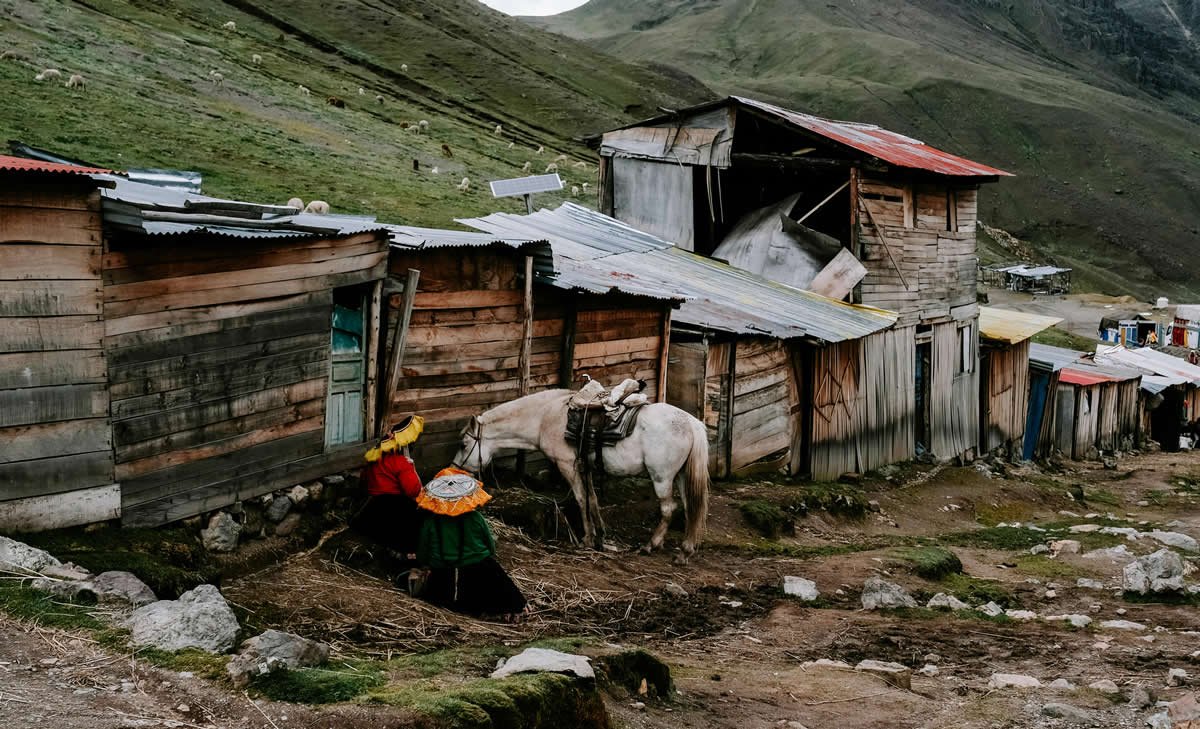
Regional/South America is one of the most exciting and diverse regions on Earth. It stretches from the warm Caribbean coast down to the icy lands near Antarctica. Because of its size and variety, Regional/South America offers mountains, rainforests, deserts, beaches, and modern cities all in one place. At the same time, it holds rich cultures, deep history, colorful traditions, and strong economic growth. Therefore, many travelers, students, and business owners want to learn more about Regional/South America. In this complete guide, you will discover its geography, countries, people, food, wildlife, economy, and travel opportunities in simple and clear language.
What Is Regional/South America?
Regional/South America refers to the southern part of the American continent, which lies below North America and is connected by Central America. It includes 12 independent countries and several territories. Because the region covers a large area, it includes many different climates and landscapes. For example, you can find tropical jungles in Brazil, high mountains in Peru, and dry deserts in Chile. As a result, Regional/South America feels like many worlds combined into one region.
Although many people group it together, each country inside Regional/South America has its own identity. However, they share cultural ties, languages, and historical roots that connect them. Therefore, understanding the region helps you understand global culture better.
Countries in Regional/South America
Regional/South America includes Brazil, Argentina, Colombia, Peru, Venezuela, Chile, Ecuador, Bolivia, Paraguay, Uruguay, Guyana, and Suriname. In addition, French Guiana is an overseas territory of France. Because Brazil is the largest country, it takes up almost half of the continent. Meanwhile, Argentina is known for its long shape and beautiful southern landscapes.
Each country plays a special role in Regional/South America. For instance, Brazil leads in economy and population, while Colombia stands out for coffee production. Similarly, Chile has strong mining industries, and Peru is famous for ancient history. Therefore, the region is not only culturally rich but also economically important.
Geography of Regional/South America
The geography of Regional/South America is both dramatic and beautiful. First, the Andes Mountains run along the western side of the continent. These mountains form the longest mountain range in the world. Because of the Andes, many cities sit high above sea level. For example, La Paz in Bolivia stands as one of the highest capitals in the world.
Second, the Amazon Rainforest covers a large part of the northern region. This forest produces a large amount of the world’s oxygen. In addition, it holds millions of plant and animal species. On the other hand, the Atacama Desert in Chile ranks as one of the driest places on Earth. Therefore, Regional/South America offers almost every type of natural landscape.
Climate Across Regional/South America
Because Regional/South America stretches across the equator and far into the south, it has many climate zones. Near the equator, countries like Brazil and Colombia experience tropical weather. As a result, temperatures stay warm throughout the year. However, further south in Argentina and Chile, winters can become very cold.
In addition, the Andes Mountains affect weather patterns. Higher altitudes bring cooler air, even in tropical areas. Therefore, you can experience different seasons and temperatures within a single country. This climate diversity makes Regional/South America attractive for agriculture and tourism.
Culture and Traditions in Regional/South America
Culture in Regional/South America blends Indigenous, European, and African influences. Because of colonization by Spain and Portugal, Spanish and Portuguese are the main languages spoken today. However, many Indigenous languages still survive, such as Quechua and Guarani. Therefore, language diversity remains strong in the region.
Music and dance also play a big role in daily life. For example, samba in Brazil and tango in Argentina show the passion of Regional/South America. In addition, colorful festivals like Carnival bring millions of people together each year. As a result, culture in Regional/South America feels lively and expressive.
History of Regional/South America
The history of Regional/South America goes back thousands of years. Long before European explorers arrived, powerful civilizations lived there. The Inca Empire ruled large parts of western South America. They built advanced cities and roads high in the mountains.
However, in the 15th and 16th centuries, Spanish and Portuguese explorers arrived. Consequently, colonization changed the region forever. Although independence movements in the 19th century freed most countries, European influence remained strong. Therefore, modern Regional/South America reflects both ancient traditions and colonial history.
Economy of Regional/South America
Regional/South America plays an important role in the global economy. First, Brazil ranks as the largest economy in the region. It produces cars, airplanes, soybeans, coffee, and oil. Meanwhile, Chile leads in copper production. Because copper is used in electronics and construction, Chile exports it worldwide.
Agriculture also supports many countries in Regional/South America. Argentina exports beef and grains, while Colombia exports coffee. Additionally, tourism brings billions of dollars into the region every year. Therefore, Regional/South America continues to grow economically despite challenges.
Wildlife and Nature in Regional/South America
Nature stands as one of the biggest treasures of Regional/South America. The Amazon Rainforest alone holds jaguars, monkeys, colorful birds, and rare plants. Because the forest covers millions of square miles, scientists still discover new species.
In addition, the Galápagos Islands in Ecuador offer unique wildlife found nowhere else. Penguins, giant tortoises, and marine iguanas live there. Furthermore, Patagonia in southern Argentina and Chile offers glaciers, mountains, and wild landscapes. Therefore, Regional/South America attracts nature lovers from around the world.
Food and Cuisine in Regional/South America
Food in Regional/South America varies by country, yet common ingredients include corn, rice, beans, meat, and tropical fruits. For example, Brazil offers feijoada, a rich bean and meat dish. Meanwhile, Argentina is famous for steak and grilled meats.
Peru stands out for its unique fusion cuisine. Because it blends Indigenous, Spanish, Chinese, and Japanese influences, Peruvian food has gained global attention. Ceviche, a dish made with raw fish and lime, remains popular across the region. Therefore, Regional/South America provides a delicious food experience.
Travel Opportunities in Regional/South America
Regional/South America offers endless travel opportunities. You can hike to Machu Picchu in Peru, relax on Brazilian beaches, or explore the Amazon River. Because flights connect major cities easily, travelers can move between countries without much difficulty.
In addition, adventure tourism continues to grow. Activities such as mountain climbing, rainforest tours, and glacier hiking attract thrill seekers. Therefore, Regional/South America suits both relaxed vacations and adventurous journeys.
Education and Innovation in Regional/South America
Education systems across Regional/South America continue to improve. Many countries invest in technology and research. For example, Brazil has strong universities and research centers. Meanwhile, Argentina and Chile also lead in higher education standards.
Technology startups grow quickly in cities like São Paulo and Bogotá. Because internet access expands every year, digital businesses rise across the region. Therefore, Regional/South America becomes more connected to the global tech economy.
Challenges Facing Regional/South America
Although Regional/South America offers many opportunities, it also faces challenges. Some countries struggle with political instability. In addition, economic inequality affects millions of people. However, many governments work to improve infrastructure, healthcare, and education.
Environmental concerns also matter. Because deforestation threatens the Amazon, conservation efforts increase each year. Therefore, balancing growth and sustainability remains a major goal for Regional/South America.
Why Regional/South America Matters Globally
Regional/South America matters because it influences global trade, culture, and environmental health. The Amazon Rainforest affects climate patterns worldwide. In addition, the region exports food and minerals that support industries everywhere.
Culturally, music, sports, and art from Regional/South America shape global trends. For example, football stars from Brazil and Argentina inspire millions. Therefore, the region plays a powerful role on the world stage.
Future Outlook for Regional/South America
The future of Regional/South America looks promising. Renewable energy projects grow across the region. For instance, wind farms and solar plants expand in Brazil and Chile. Because global demand for green energy rises, the region holds strong potential.
Urban development also increases. Modern infrastructure projects improve transportation and business growth. Therefore, Regional/South America continues to evolve and strengthen its global position.
Read more: Обои на телефон – унікальні шпалери для вашого смартфона
Conclusion
Regional/South America stands as one of the most diverse and exciting regions in the world. It offers rich history, vibrant culture, breathtaking landscapes, and growing economies. Because it combines tradition and innovation, the region continues to attract travelers, investors, and students. Although challenges remain, progress continues across many sectors. Therefore, Regional/South America will likely remain a key global region for decades to come.