
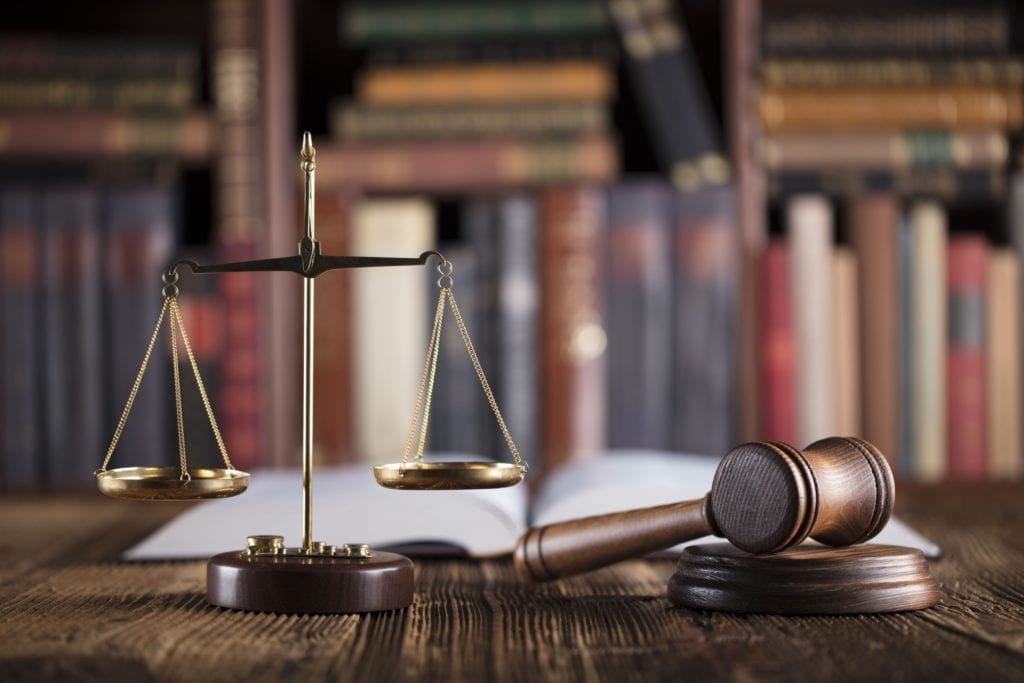
Society/Law is the system of rules, values, and justice that helps people live together in peace. From the moment we wake up to the time we go to sleep, Society/Law guides our actions. It tells us what we can do, what we should avoid, and how we solve problems. Because people live in groups, they need rules. Therefore, Society/Law creates order and fairness. Without it, confusion and conflict would grow quickly. However, when laws are fair and strong, communities become safe and stable. In this article, you will learn how Society/Law works, why it matters, and how it shapes everyday life in simple and clear language.
Society/Law and the Meaning of Rules
Society/Law begins with rules. Rules tell us how to behave. For example, traffic laws tell drivers to stop at red lights. As a result, roads stay safer. In the same way, school rules teach students to respect teachers and classmates. Therefore, learning becomes easier and calmer. Society/Law does not exist to control people unfairly. Instead, it creates balance. When people follow shared rules, trust grows. However, if rules do not exist, people may act only for themselves. Consequently, arguments and harm can increase. Because of this, Society/Law stands as a guide for behavior and fairness.
Why Society/Law Is Important for Safety
Safety is one of the biggest reasons Society/Law exists. For instance, criminal laws punish theft, violence, and fraud. Therefore, people feel safer in their homes and neighborhoods. In addition, laws protect children, workers, and families. If someone breaks the law, courts can step in. As a result, victims can find justice. Society/Law also creates police systems to enforce rules. However, enforcement must stay fair and equal. When safety laws work well, people trust their community more. Consequently, businesses grow and families feel secure.
Society/Law and Individual Rights
Society/Law does not only punish wrong actions; it also protects rights. For example, many countries protect freedom of speech and religion. Therefore, people can share ideas openly. In addition, laws protect the right to vote. As a result, citizens can choose leaders. Society/Law ensures that no one faces unfair treatment because of race, gender, or religion. However, rights come with responsibility. If someone uses free speech to harm others, legal limits may apply. Because of this balance, Society/Law keeps freedom strong while preventing harm.
The Role of Government in Society/Law
Government plays a key role in Society/Law. First, lawmakers create new laws. Then, courts interpret them. Finally, police enforce them. Therefore, each branch has a clear duty. This structure prevents too much power from resting in one place. In many countries, leaders are elected. As a result, citizens have a voice in Society/Law decisions. However, governments must remain transparent and fair. If leaders misuse power, trust can fade quickly. Consequently, checks and balances protect justice and equality.
Society/Law and the Court System
Courts form the heart of Society/Law. When conflicts happen, courts listen to both sides. Judges and juries examine evidence carefully. Then, they make decisions based on the law. Therefore, disputes do not turn into violence. Instead, they move into a fair system. Civil courts handle issues like contracts and property. Criminal courts deal with crimes like theft or assault. Because courts follow clear steps, justice becomes more organized. However, fairness depends on honest judges and equal access for everyone.
Society/Law in Everyday Life
Many people think Society/Law only matters in serious crimes. However, it shapes daily life in small ways too. For example, contracts protect workers and employers. Therefore, people receive fair pay. Housing laws protect renters from unfair eviction. In addition, consumer laws prevent false advertising. Because of Society/Law, businesses must meet safety standards. As a result, products remain safer for families. Even marriage laws and family laws shape personal relationships. Consequently, Society/Law touches nearly every part of life.
Society/Law and Social Change
Society changes over time, and Society/Law changes too. For example, laws about civil rights have evolved in many countries. Therefore, equality has improved for many groups. Social movements often push for legal reform. When people demand fairness, lawmakers may respond. However, change can take time. Because opinions differ, debates happen in public and in courts. Eventually, new laws reflect new values. In this way, Society/Law grows with society itself.
Society/Law and Education
Education helps people understand Society/Law. When students learn about rights and duties, they become informed citizens. Therefore, they can vote wisely and respect others. Schools often teach basic legal ideas. For example, they explain why rules matter. In addition, they show how courts work. Because education spreads knowledge, it strengthens democracy. However, if people lack legal awareness, they may not defend their rights. Consequently, teaching Society/Law builds stronger communities.
Society/Law and Equality
Equality stands at the center of Society/Law. Laws should apply to everyone in the same way. Therefore, rich and poor must face the same rules. In addition, leaders must follow the law just like citizens. If equality fails, trust weakens. However, strong legal systems work to prevent unfair treatment. Anti-discrimination laws protect vulnerable groups. As a result, workplaces and schools become more inclusive. Society/Law works best when fairness guides every decision.
Society/Law and Economic Growth
A stable Society/Law system supports economic growth. Businesses invest money when they trust legal protection. For example, property laws protect ownership rights. Therefore, companies feel secure. Contract laws ensure that agreements are honored. As a result, trade grows smoothly. Without legal protection, investors might fear loss. Consequently, economic activity would slow. Because Society/Law creates clear rules, it encourages innovation and development.
Society/Law and Technology
Technology grows quickly, and Society/Law must keep pace. For example, online privacy laws protect personal data. Therefore, companies must handle information carefully. In addition, cybercrime laws punish hacking and fraud. However, new tools like artificial intelligence create fresh challenges. Lawmakers must study these issues closely. Because technology changes fast, legal updates must happen regularly. Society/Law ensures that progress remains safe and fair.
Society/Law and Global Cooperation
Today, countries connect more than ever. Therefore, Society/Law often extends beyond borders. International agreements help nations solve shared problems. For example, trade laws regulate global business. Environmental laws address climate issues. However, each country keeps its own legal system. Cooperation works best when nations respect shared values. Because global challenges affect everyone, Society/Law supports teamwork and peace.
Society/Law and Moral Values
Society/Law reflects moral beliefs. For instance, laws against violence show that people value safety. In addition, laws about honesty reflect trust. However, not all moral beliefs become laws. Sometimes, society debates what is right or wrong. Therefore, lawmakers must consider public opinion. Because values shift over time, laws may change. Society/Law balances moral standards with practical needs.
Challenges Within Society/Law
Although Society/Law aims for fairness, challenges exist. Corruption can weaken trust. In addition, delays in courts may frustrate citizens. Sometimes, legal costs are high. Therefore, access to justice becomes unequal. However, reforms can improve systems. Technology speeds up court processes. Legal aid programs support low-income individuals. Because challenges exist, constant improvement remains important.
The Future of Society/Law
Looking ahead, Society/Law will continue evolving. Climate change, digital privacy, and global trade will shape future rules. Therefore, lawmakers must stay flexible. Education and public participation will remain essential. When citizens engage, legal systems improve. Because society never stands still, Society/Law must adapt. However, the core goal stays the same: fairness, safety, and justice for all.
How Citizens Participate in Society/Law
Citizens shape Society/Law through voting, discussion, and community action. When people vote, they influence policies. In addition, peaceful protests raise awareness about important issues. Serving on a jury also supports justice. Therefore, active participation strengthens democracy. However, responsibility matters. Citizens must respect laws while seeking change. Because involvement builds accountability, Society/Law becomes stronger.
Society/Law and Human Dignity
At its core, Society/Law protects human dignity. Every person deserves respect. Laws against abuse, discrimination, and exploitation support this belief. Therefore, justice systems defend basic rights. In addition, humanitarian laws protect people during conflict. Because dignity forms the base of legal systems, fairness remains central. Society/Law stands not only as a rulebook but as a promise of respect.
Read more: Виділення при молочниці – симптоми, причини та лікування
Conclusion
Society/Law shapes how people live, work, and interact. It protects rights, ensures safety, and guides fairness. Although challenges exist, strong legal systems build stable communities. Therefore, understanding Society/Law helps everyone become better citizens. When people respect laws and demand justice, society grows stronger. Ultimately, Society/Law connects rules with values and rights with responsibility. Because of this balance, communities can live in peace and progress together.